 INSTITUTE
Blueprint
Explore the experiences, strengths, values, relationships and patterns influencing the emerging parenting identity.
A NEXIE Productised Service
Science-informed parenting. Connection before birth. Support after arrival.
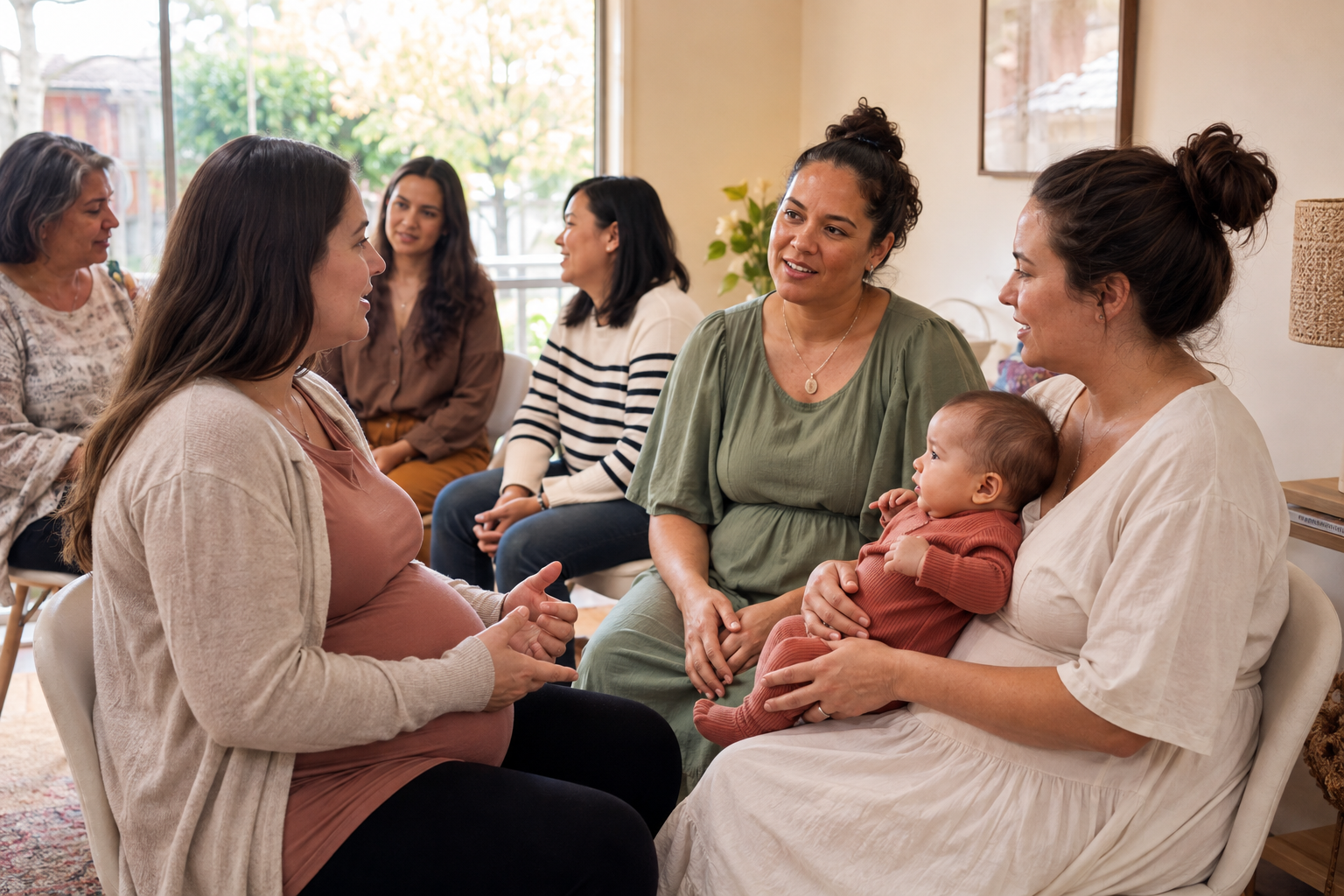
BUMP is a prenatal and postnatal parent-learning and peer-support service for expectant mothers, new mothers and growing families.
Through guided learning, reflection and connection, participants develop a personal Parenting Blueprint identifying strengths, values, support needs, relationship patterns and intentions for a safe, responsive early environment.
Why maternal support matters
Pregnancy and early parenting can bring significant physical, emotional, relational and practical change.
Parents are often surrounded by advice but may have few opportunities to explore who they are becoming, how earlier experiences influence expectations, what helps them feel safe and supported, how stress affects present capacity and when professional help may be needed.
BUMP creates a facilitated learning environment where mothers and families can develop understanding, connection and an achievable plan for the early parenting journey.
Support should build realistic capacity—not demand perfect parenting.
Participation sensitivity
BUMP welcomes different pregnancy, birth, parenting and family experiences. Participants are not required to disclose pregnancy loss, fertility treatment, birth trauma, mental-health history or other sensitive information.
Learning must avoid blame, bonding pressure and claims that a parent can control a baby’s health, attachment or developmental future.
Blueprint Unlocking Maternal Potential
Four connected ideas centre the mother while strengthening the wider support environment.
Explore the experiences, strengths, values, relationships and patterns influencing the emerging parenting identity.
Recognise existing capacity, identify available support and create opportunities for learning, reflection and growth.
Centre the wellbeing, voice, knowledge and needs of the mother while recognising partners, carers, kin and community.
Build confidence and capability without assuming that one parenting approach can control a child’s future.
Blueprint → Unlocking → Maternal → Potential
Epigenetics without blame
Epigenetics explores ways biological processes and environmental influences can affect gene activity. For parents, the important message is not that every experience determines a child’s future.
Development emerges through continuing interaction between biology, health, relationships, nutrition, stress and recovery, safety, sleep, routines, learning, culture, community and wider social conditions.
BUMP uses epigenetic-informed learning to encourage supportive relationships, informed choices, self-compassion and appropriate help-seeking—not fear, blame or promises of biological optimisation.
The BUMP experience
Eight stages help participants carry understanding into practical preparation and continuing support.
Enter a respectful learning environment where different pregnancy, birth and parenting experiences are welcomed without judgement.
Explore accessible information about early development, relationships, stress, regulation and environmental influences.
Consider how personal history, beliefs, culture, relationships and current circumstances may influence parenting identity.
Identify practical supports, boundaries, routines, questions and sources of professional care.
Develop responsive ways of noticing and connecting with the baby without claims of developmental control.
Build a realistic partner, family, peer, community and professional support network.
Recognise changing capacity, identify when additional help may be needed and know where to seek it.
Carry the Parenting Blueprint into postnatal life, parent learning and connected NEXIE pathways.
Connect → Understand → Reflect → Prepare → Relate → Support → Respond → Continue
What participants create
Depending on the selected pathway, participants may develop eight practical and reflective resources.
Existing strengths, changing capacity, current demands and support needs.
Qualities, relationships and experiences the parent hopes to foster without unrealistic expectations.
Partners, family, kin, peers, community services and professionals who may contribute.
Personal signs of overload, helpful regulation strategies and agreed help-seeking steps.
Realistic ideas for responsive interaction, rest, support and relationship-building.
A non-clinical reflection supporting appropriate conversations with qualified professionals.
Practical arrangements for rest, meals, appointments, responsibilities and emotional support.
A living summary that can be reviewed as circumstances, relationships and capacity change.
These resources do not diagnose health or mental-health conditions and do not replace an individual maternity, medical, mental-health or nutrition plan.
Maternal wellbeing
BUMP does not offer Cell Wellbeing Screening or claim to detect nutritional, hormonal, reproductive, obstetric or mental-health conditions.
Its Maternal Wellbeing Reflection helps participants consider how they are coping, notice changes, prepare questions for qualified professionals, identify practical support needs and seek timely assistance.
Intended outcomes
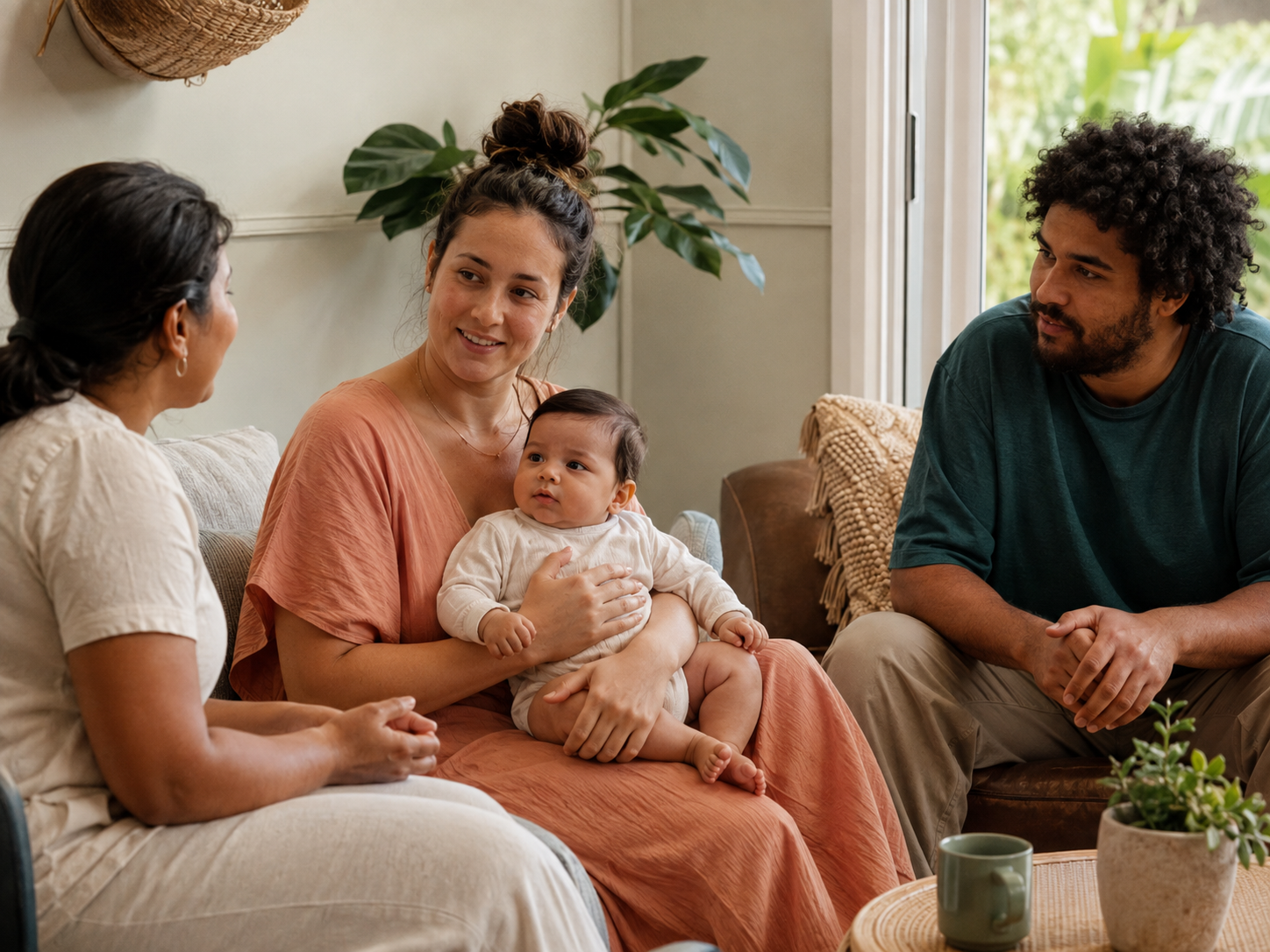
These are intended educational and capacity-building outcomes. BUMP does not guarantee conception, a particular birth experience, prevention of perinatal mental illness, attachment outcomes, infant health, developmental outcomes or family wellbeing.
Flexible delivery
Delivery can adapt to participant needs, local access, host capability and safeguarding requirements.
Facilitated group learning and reflection during pregnancy.
Parent-present groups supporting connection, reflection and transition into early parenting.
Learning that helps partners, family members and support people understand their role.
Flexible delivery through community venues, family services, early childhood settings and outreach locations.
Structured online learning and peer connection for participants who cannot attend in person.
A connected pathway from prenatal preparation into parent-present play, learning and community connection.
A connected family pathway
Each service supports a different developmental transition while carrying the family’s understanding forward.
Prepares the parenting environment before and after birth.
→02ECHOSSupports early family connection, play and community participation.
→Carries the child’s Blueprint into education transitions.
Service page opening laterThree ways to enter BUMP
Choose the pathway that best reflects your role and what you need now.
For expectant and new parents
BUMP creates a parent-learning and peer-support environment for exploring maternal identity, early development, relationships, wellbeing, support and the practical transition into parenting.
For health, family and community settings
BUMP may be relevant to family and community services, neighbourhood centres, early childhood providers, perinatal organisations, Aboriginal Community Controlled Organisations, culturally diverse organisations, maternity and child-and-family-health services, rural outreach networks, employers and social-impact partners.
Training, employment and enterprise
Potential pathways may include Lead or Assistant Facilitators, parent-learning or peer-support facilitators, family-support workers, maternal-wellbeing educators, outreach coordinators, site coordinators, appropriately qualified nurses or midwives, supervisors, contracted facilitators and authorised Neuropreneurs.
For employers and training providers
NEXIE Institute provides the proprietary BUMP learning model, participant resources, facilitator preparation, practice requirements, quality framework and applicable licensing pathway.
Where nationally recognised training forms part of a connected pathway, it is delivered and assessed by the relevant approved partner RTO.
Employers and host providers remain responsible for recruitment, supervision, safeguarding, insurance, privacy, referrals, operational governance and service compliance. Training or access does not guarantee employment, clients, income or independent delivery authorisation.
Questions and Answers
No. BUMP is a parent-learning, reflection and peer-support service. It complements but does not replace antenatal appointments, maternity care, medical advice, mental-health care, childbirth education or postnatal health services.
No. BUMP does not provide genetic or epigenetic testing, health screening or biological optimisation. Epigenetics is introduced as one part of understanding how biology and experience interact. It is not used to predict a baby’s future or attribute responsibility for developmental outcomes to the mother.
BUMP does not assess or treat fertility and cannot claim to improve conception. Anyone seeking fertility advice, hormonal assessment or reproductive treatment should consult an appropriately qualified medical or fertility professional.
No. BUMP cannot prevent, diagnose or treat perinatal mental-health conditions. It can provide general education, peer connection, wellbeing reflection and information about where to seek help. Participants experiencing distress should be supported to contact an appropriate health professional or perinatal mental-health service.
BUMP centres the maternal experience while recognising that partners, co-parents, carers, kin and support people can significantly influence the parenting environment. Specific sessions may be designed for mothers, partners, couples, support people or broader family groups.
Lived experience may be valuable, particularly in an appropriately designed peer-support role, but it is not sufficient on its own for independent facilitation. Required preparation depends on the activities, participant needs, host organisation, supervision and level of responsibility.
Participants may continue into postnatal BUMP groups, ECHOS supported play and parent learning, other family resources or appropriate community and professional services. The next step depends on the family’s needs, preferences and available local pathways.
Science-informed parenting. Connection before birth. Support after arrival.